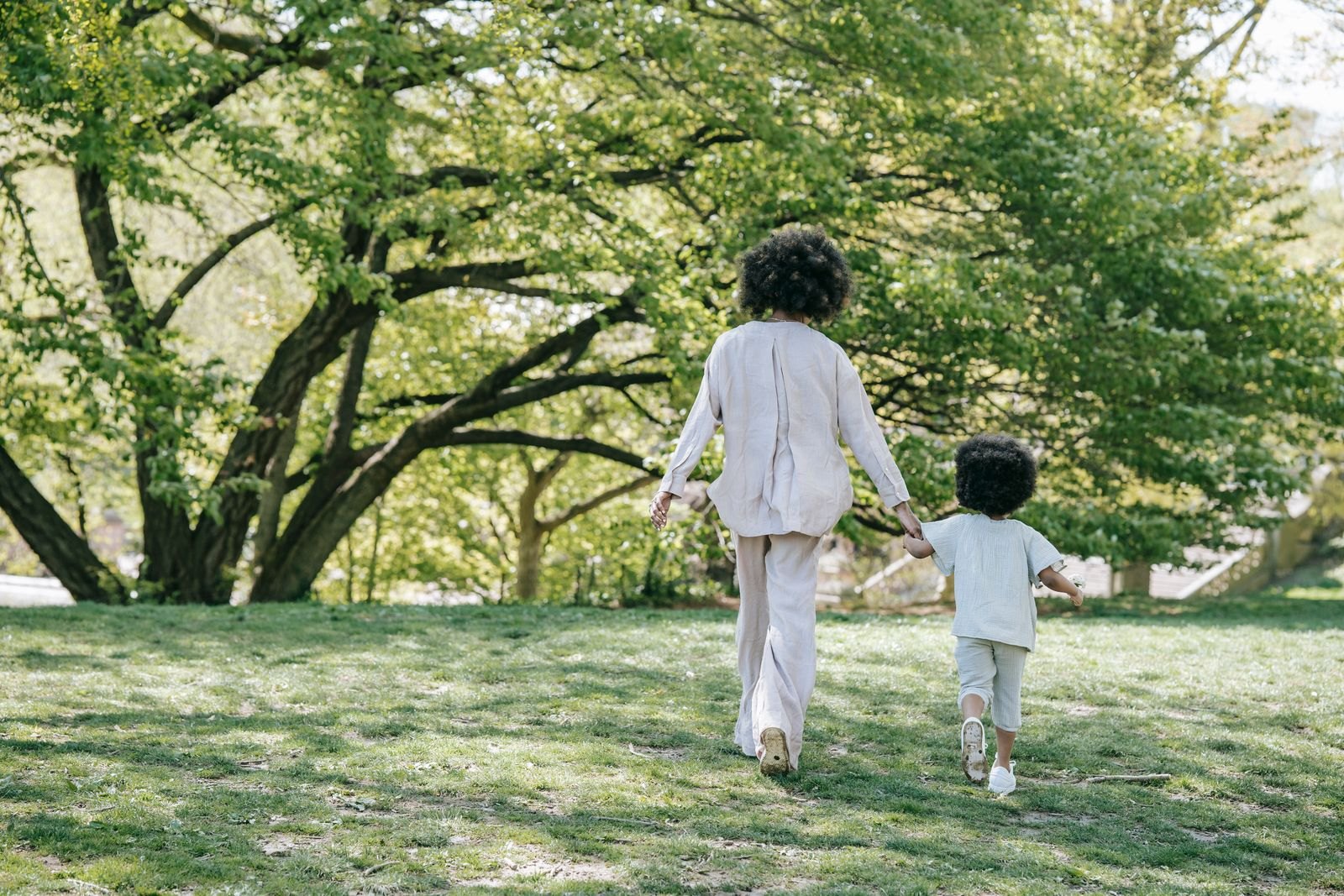
An outing with one child and one adult can be ordinary: a library visit, a short walk or breakfast somewhere nearby. The different part is having time to follow that child's interests without balancing several people's plans at once.
Offer a small choice that fits the available time and budget. Asking a child to choose anything in the city may create expectations you cannot meet. Two or three workable options give them a real decision within a clear boundary.
Keep the route manageable
Choose a destination you can supervise comfortably on your own. Consider bags, transport, facilities and any equipment the child needs. An outing that works with two adults may involve more simultaneous tasks than one person can safely handle.
Check current opening or reservation information before presenting a specific activity as certain. Have a nearby alternative if the destination is closed or the conditions change. Explain the possibility without making the child responsible for choosing every backup.
Let their interest set part of the pace
If they want to spend longer with one display or repeat a short route, consider whether the schedule allows it. You do not need to keep introducing new things to prove the outing was special. A familiar place can feel different with more attention available for conversation.
Avoid turning the time into an interview about school, behavior or a problem you want solved. Those conversations may arise naturally, but the outing should not feel like a disguised appointment. Quiet company can be valuable too.
Keep the ending clear
Explain when you need to leave and what happens afterward. A small predictable ending, such as returning a book or choosing something to tell the family, can give the outing shape without requiring a purchase.
If siblings are part of the household, describe the arrangement fairly without promising identical experiences. Different children may want different kinds of time. Keep future plans realistic rather than announcing a complicated rotation you may not be able to maintain.
The outing does not need to produce a photograph or a memorable story. It can simply be a period when one child had room to choose, notice and talk with an adult who was there with them.