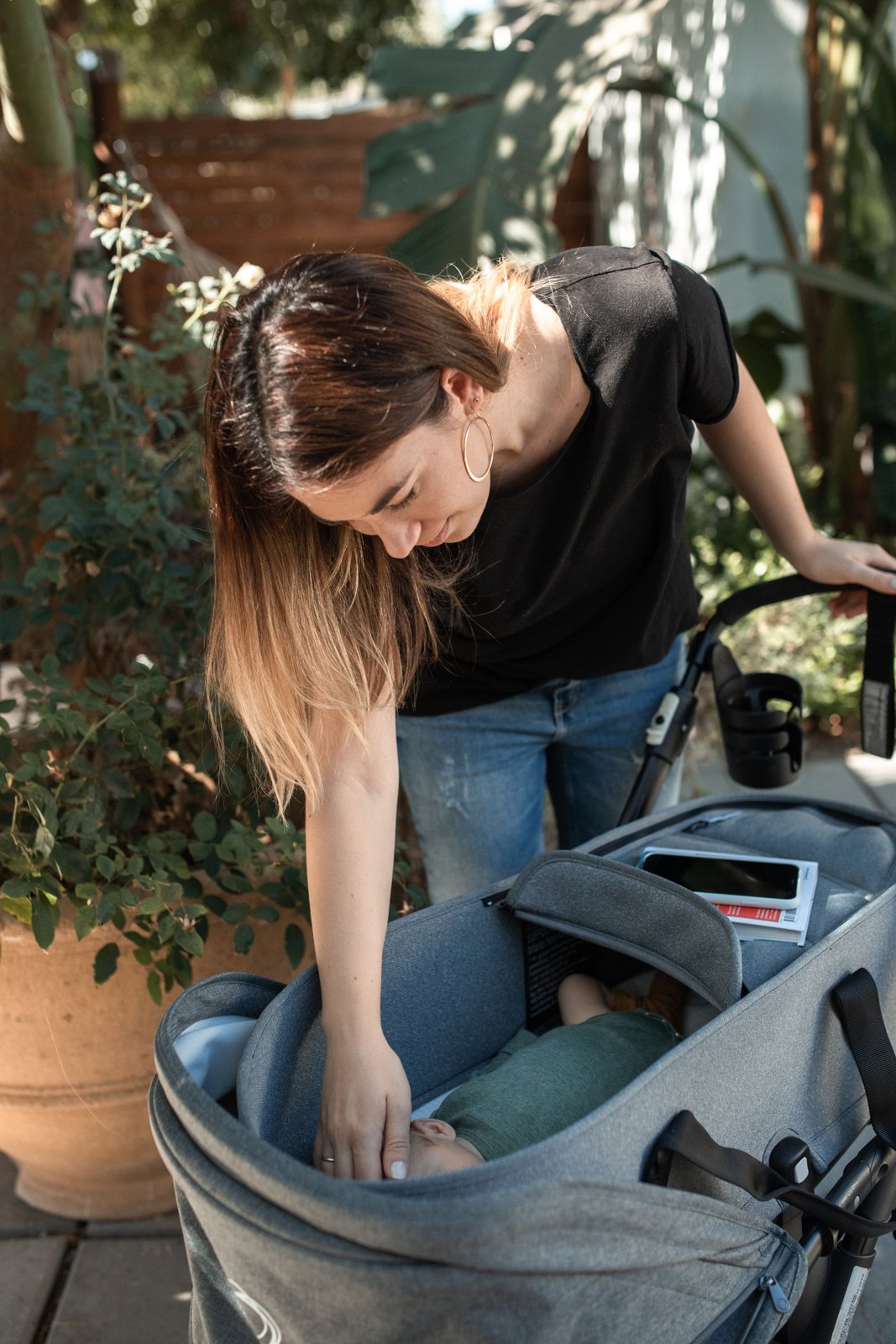
A box of baby gear can be generous and useful without every item being right for your household. Accepting the box does not mean agreeing to use everything in it. Sort the contents before they become part of daily care, and keep uncertain equipment out of use while you check it.
Begin with items that are straightforward to identify and inspect, such as washable clothing in good condition. Check labels, loose parts and damage, then clean according to instructions. Put unsuitable sizes aside rather than mixing them into the current wardrobe. You can thank the giver and still pass on an unnecessary outfit through an appropriate channel.
Equipment needs more than a clean cover
For a stroller, high chair, crib or other product, find the manufacturer, exact model and identifying date or number. Look up recalls and obtain the correct manual. Compare the actual item with the parts and assembly instructions; a missing strap or piece of hardware cannot be dismissed because the product seems to stand up normally.
Ask about modifications, repairs and how the item was used. Avoid improvised replacement parts, unapproved accessories and products whose identity cannot be established. A photograph of a similar model is not a substitute for the manual that belongs to the equipment in front of you.
Car seats require particular care. NHTSA's used-seat checklist covers the seat's history, labels, parts, instructions and recall status. If its history is unknown or the required checks cannot be satisfied, do not treat a low price or a clean appearance as reassurance. Follow the manufacturer and NHTSA guidance rather than guessing whether an old seat is still suitable.
Sleep products also deserve a separate decision. Do not use a traditional drop-side crib or turn a lounger, basket or other non-sleep item into a bed. Confirm that the product meets applicable current requirements and is used exactly as intended. Sentimental value does not establish suitability for infant sleep.
Ask before collecting a large item
Request a photograph of the identifying label and the assembled product before arranging collection. Ask whether the instructions and every original required component are present. This can prevent a wasted journey and the pressure to accept something merely because you have already borrowed a car to collect it.
For example, a seller may describe a high chair as complete because the seat and tray are there, while the required restraint is missing. That is not a minor cosmetic omission. Stop the purchase until the exact manufacturer-approved solution and the product’s condition can be verified. Do not take it home for immediate use on the assumption that any replacement strap will do.
Make a decision before storing everything
Create three groups: ready to use after appropriate cleaning, awaiting a specific check, and not suitable. Put a note with any item awaiting a check so another caregiver does not assume it has already been approved. If the missing information cannot be obtained, move it out of the usable group.
Recalled or unsafe products should not simply be passed to another family. Follow the recall remedy or disposal guidance so the problem is not transferred to someone else. Keep manuals and product details for equipment you retain, making later recall checks and use-limit reviews easier.
You do not owe a place in your home to every donated item. A smaller collection with known condition and instructions is more useful than a cupboard full of equipment you are unsure how to assemble or whether to trust.