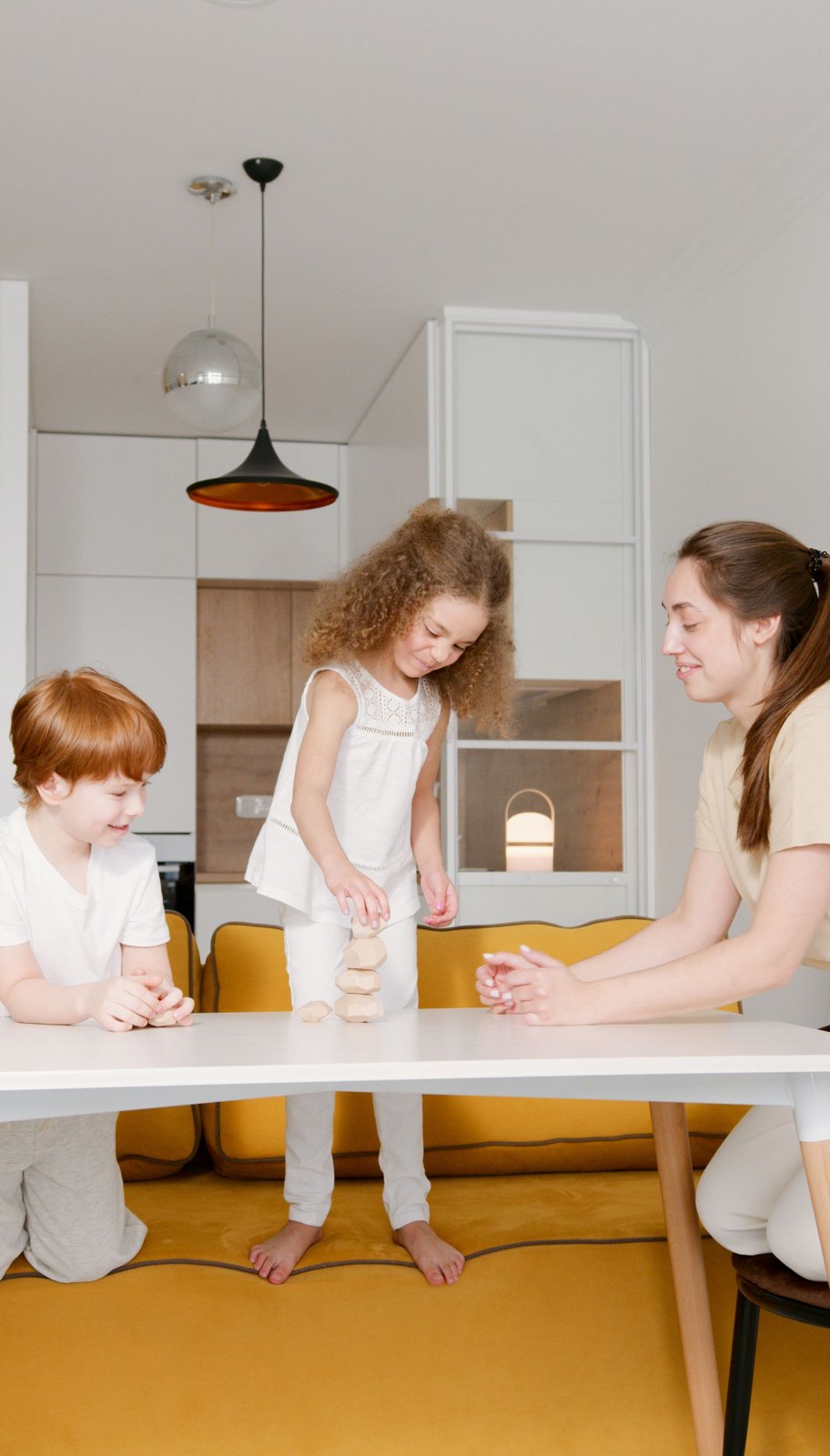
Some children enter a new activity by watching. They may want to understand the room, the people or the sequence before taking part. Give observation a place in the plan rather than immediately labeling the child shy or insisting that they join to be polite.
Check what the setting permits. An instructor may have a suitable place to watch briefly or a gradual entry arrangement, while another activity has safety or group requirements that need discussion. Agree on a workable approach with the responsible adult instead of promising the child an option the setting cannot provide.
Make the next step small and specific
You might invite the child to choose a material, stand beside you or join one part of the activity. Avoid broad pressure to go and make friends. A manageable action gives them a way in without requiring a complete change in how they feel.
Stay curious about what they are noticing. They may be interested but uncertain about the rules, bothered by the noise or simply comfortable watching. Ask a brief question later if talking in the moment would add pressure. Do not assume the same explanation applies in every setting.
Avoid discussing the child's hesitation with other adults as though the child is not present. Statements such as they never join anything can become a role the child is expected to occupy. Describe the current need neutrally when coordination is necessary.
Keep opportunity open without bargaining endlessly
Offer support, then allow some room. Repeated invitations every few seconds can make watching feel like a public refusal. If participation is required for the activity to continue safely or practically, explain the available options calmly and decide whether another arrangement is better today.
Afterward, ask what they enjoyed or learned about the setting. A visit can provide useful familiarity even without full participation. If the child wants to return, use that information to prepare the next step.
Persistent distress or difficulty across settings may deserve individualized support, but watching first alone is not a diagnosis. The aim is to understand this child's experience and provide appropriate opportunities, rather than comparing their entry into a group with the quickest child in the room.