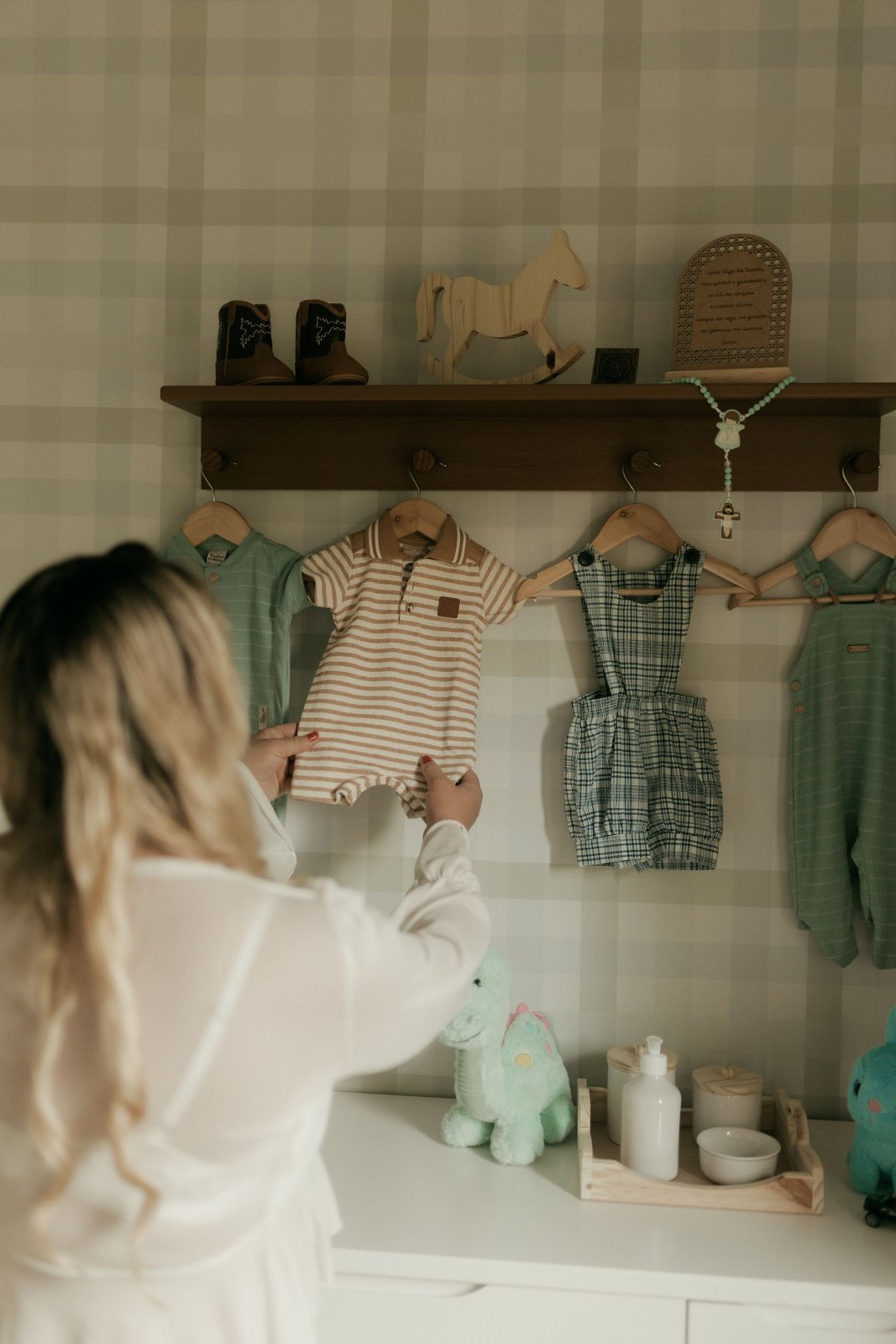
Children's drawers can contain several stages at once: clothes that fit, clothes nearly outgrown and clothes saved for later. When all of them stay together, getting dressed becomes a daily sorting task. Make the active space represent what can be worn now.
Choose a manageable batch, such as one drawer or one type of clothing. Check fit with the child where appropriate rather than relying only on size labels. Brands and garments vary, and a label does not tell you whether an item is comfortable or suitable for the current season.
Create a few clear groups
Keep current clothes in the everyday drawer or closet. Set aside future sizes in a separate labeled place, and put outgrown items into the appropriate keep, pass-on or disposal process. Items needing repair should have a specific next step rather than returning to the drawer indefinitely.
Do not assume every outgrown piece must be saved for another child. Consider available space, condition and whether it is likely to be useful. Sentimental clothing can have a small separate place so it does not crowd the practical wardrobe.
Make the next change easier
Use a simple note for genuinely missing items. A drawer full of tops can hide the fact that there are too few suitable bottoms. Check before shopping so the list reflects a need rather than the impression created by a crowded cupboard.
If storing future sizes, label the contents and season in a way you will understand later. Avoid packing so tightly that checking the box requires emptying everything. Set a reminder linked to a seasonal review or a noticeable growth change, not an elaborate schedule for measuring every garment.
Involve the child in preferences within reasonable limits. An uncomfortable item may be technically the right size but still not useful. Adults can decide quantities and practical boundaries without treating every disagreement as a failure to appreciate clothing.
Return the current items to storage that is easy to use. Leave enough room to see what is there and put it back. Sorting has succeeded when tomorrow's dressing requires fewer decisions, not when every size the child has ever worn is preserved in matching containers.