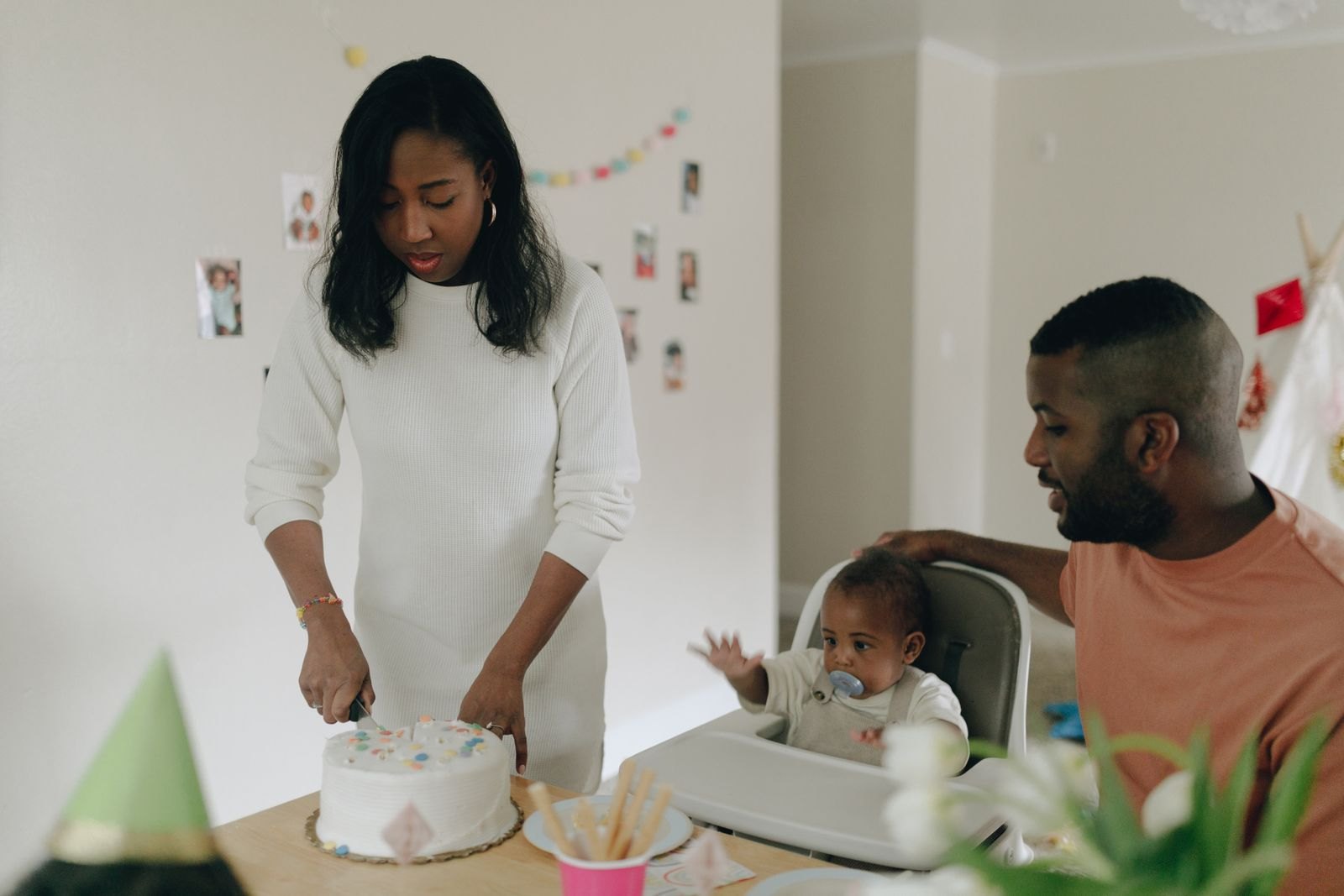
A tradition often begins as something people happen to enjoy twice. Pancakes on a slow morning, a walk after a holiday meal or a photo in the same place can become meaningful through repetition. It does not need a formal announcement or a promise that everyone will do it forever.
Choose something easy enough to repeat under ordinary conditions. An expensive outing or elaborate craft may be enjoyable, but it can become difficult to maintain. A small activity leaves more room for changing schedules, energy and household circumstances.
Offer a shape, not a script
Decide the part you want to repeat and leave the rest flexible. A first-day-of-school breakfast can involve different food each year. A weekend walk can change routes. The familiar element might be spending a little time together, not reproducing the exact scene from last time.
Invite ideas from the people involved. Children may enjoy choosing the music or a destination, while another family member may prefer a shorter version. Make space for someone to participate quietly or occasionally without treating that as rejection.
If the activity belongs to a cultural or religious tradition, talk about its meaning with respect for the people whose practice it is. Avoid reducing it to a decorative theme. Different family members may relate to it differently, and those differences can be discussed without demanding an identical response.
Allow a missed year
Illness, travel, loss or a new schedule can interrupt a familiar routine. Missing one occasion does not erase the experiences that came before it. You can make a smaller version, postpone it or let it rest, depending on what the household needs.
Notice when the work falls on one person. A tradition that others enjoy may still need a fairer preparation plan. Share the shopping, setup and cleanup where possible rather than assuming enthusiasm supplies unlimited time.
After a few repetitions, ask whether people still like it. Keep the part that feels welcome and change what has become burdensome. Some activities will last for years; others belong to a particular stage of family life. A tradition remains alive because people choose to return to it, not because nobody is allowed to suggest doing something else.