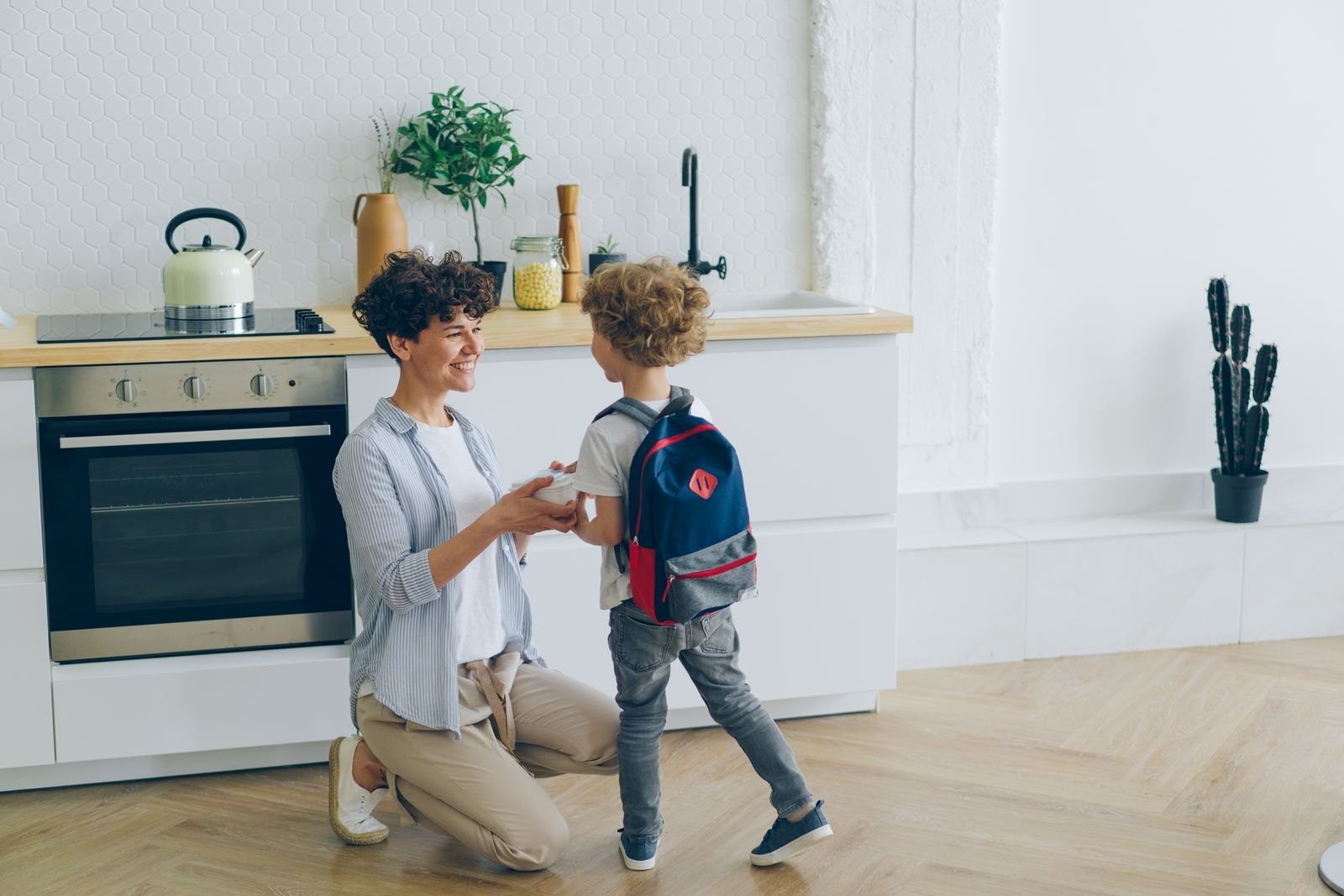
When a morning contains the same repeated instructions, the problem may be partly in the arrangement of the morning. Shoes are hard to find, the bag is not ready or the child is being asked to remember several steps while eating. Look at the sequence before deciding that everyone simply needs to listen better.
Choose a few necessary actions and put them in a workable order. The details depend on the child's age, abilities and the household's departure time. Keep optional tasks out of the busiest period. A morning routine does not need to contain every good habit the family hopes to develop.
Fix the first point of friction
Notice where the routine most often slows. If getting dressed becomes a search, place suitable current clothes where they can be found. If school materials are missing, give the packed bag a consistent place the night before. Changing one repeated obstacle can be more useful than introducing a large reward chart.
Use words or pictures the child can understand to show the sequence if that helps. A visual reminder should be short enough to use, not a wall of instructions. Practice the routine during a calm moment so the child knows what the pictures or labels mean.
Give the next instruction when the child is able to attend to it, and make it concrete. Put your shoes beside the door is easier to act on than get everything sorted. Younger children may need the adult to begin a step with them rather than another verbal reminder from across the room.
Leave room for help
Independence does not mean withholding help when a child is tired, unwell or struggling with a fastening. You can help today and continue building the skill another day. Avoid turning a departure deadline into a test of whether the child should already be able to manage alone.
Agree on adult responsibilities too. If two caregivers are present, decide who handles breakfast and who checks bags rather than each assuming the other has done the final task. A routine that organizes only the child can leave the household's actual confusion unchanged.
Review after several mornings. Keep what reduces effort and remove steps that create more administration than benefit. The goal is not a silent, perfectly timed household. It is a sequence people can follow with fewer searches, fewer vague instructions and enough margin for an ordinary difficult morning.