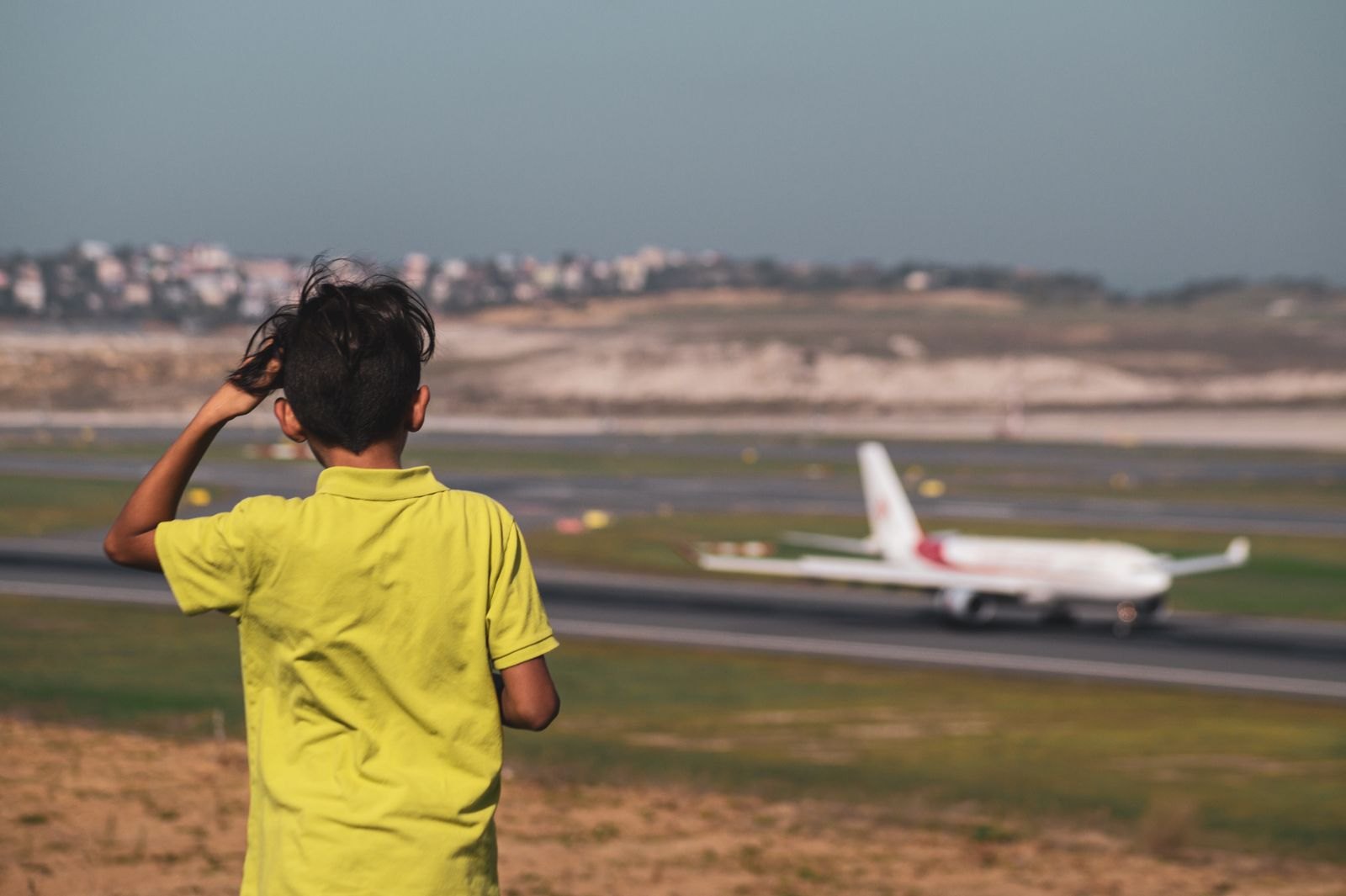
A short flight can still involve a long period away from home. Travel to the airport, check-in, security, waiting and the journey after landing may take more attention than the flight itself. Organize the day around those stages instead of packing only for the scheduled airborne time.
Check the airline's current rules for child seating, baggage, strollers and any equipment you need. Confirm the arrangements for your actual booking. Policies can differ between airlines and ticket types, and a general family-travel description may not answer a specific question.
Keep essentials with you
Pack necessary care items, appropriate food, spare clothes and required medication in an accessible carry-on, following the relevant security and airline rules. Include enough margin for a plausible delay without making the bag too difficult to manage.
Put documents and boarding information where the responsible adult can retrieve them easily. If more than one adult is traveling, both should know the essential plan. A child holding a small personal bag can participate, but should not be responsible for the only copy of something the whole family needs.
Decide on safe seating before departure
The FAA identifies an approved child restraint system or device as the safest place for a child under two on a U.S. airplane and urges its use during the flight. Check the device's aircraft approval, the child's size limits and the airline's seating arrangements before traveling. Purchasing a seat is the way to guarantee space to use an appropriate restraint for a child under two.
Do not assume that every car seat or travel accessory is approved for aircraft use. Follow the device and airline instructions, and resolve essential questions before arriving at the gate.
Use the waiting time in small pieces
A familiar book, a spoken game and a little appropriate movement in a safe area can offer variety. Keep supervision clear and stay aware of announcements. Avoid opening every activity at once; some can remain available for a later wait.
When boarding begins, put loose items away and explain the next step. If you need assistance, ask staff rather than attempting to carry more than you can manage while supervising children. Keep essential supplies accessible after larger bags are stowed, without obstructing the cabin or safety equipment.
After landing, allow time to collect belongings and check the onward route. The short flight is only one chapter of the journey, and a manageable arrival can matter as much as a quiet time in the air.