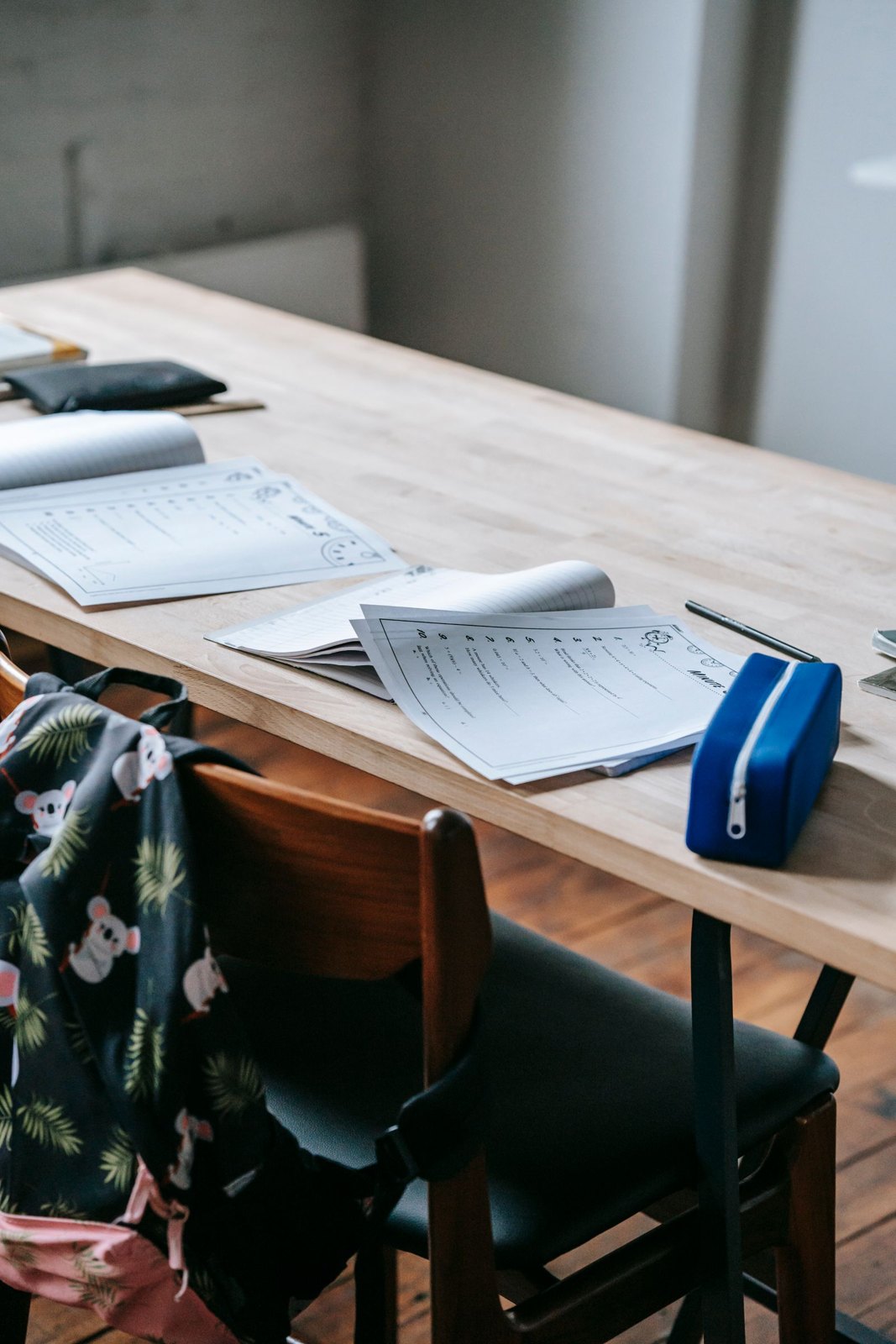
School paperwork becomes clutter when it has no next step. A form waiting for a signature, a notice worth keeping and an old drawing can look equally important in a kitchen pile. Separate their purposes as soon as you can, using a system small enough to maintain.
Choose one arrival spot for school papers. A tray or folder can work, provided it is not also the storage place for unrelated mail and receipts. Ask children to place papers there according to their ability, while an adult remains responsible for checking time-sensitive information.
Sort by action
Keep papers needing a response together. Put dates into the household calendar and retain the original only if it is still useful. Store longer-term records separately from daily notices. Recycle or dispose of unnecessary papers appropriately, taking care with personal information.
Do not create a folder for every small category before seeing what actually arrives. Three broad destinations—act, keep and discard—may be enough. The important distinction is between a paper waiting for work and a paper that has finished its job.
For example, a field-trip form belongs in the action folder until it is completed and returned. The trip date and required equipment belong on the calendar. Keeping three copies of the notice on the counter does not make the date easier to remember.
Finish the return journey
Choose a reliable point to move completed forms back into the school bag. Signing them is not the final step if they remain beside the fruit bowl. Check whether a digital submission is required instead, and retain confirmation where appropriate.
If several adults share school communication, decide who checks which channel and how an important message is passed on. A paper system cannot fix unread email or an app notification that everyone assumes someone else saw. Keep the responsibilities clear without asking one person to relay every routine detail.
Review the tray regularly enough that deadlines do not hide beneath newer papers. Empty finished items rather than buying a larger container when it fills. Artwork can have its own selection process so it does not compete with forms needing a reply. The counter becomes available again when papers move through it, not when the pile is stacked more neatly.