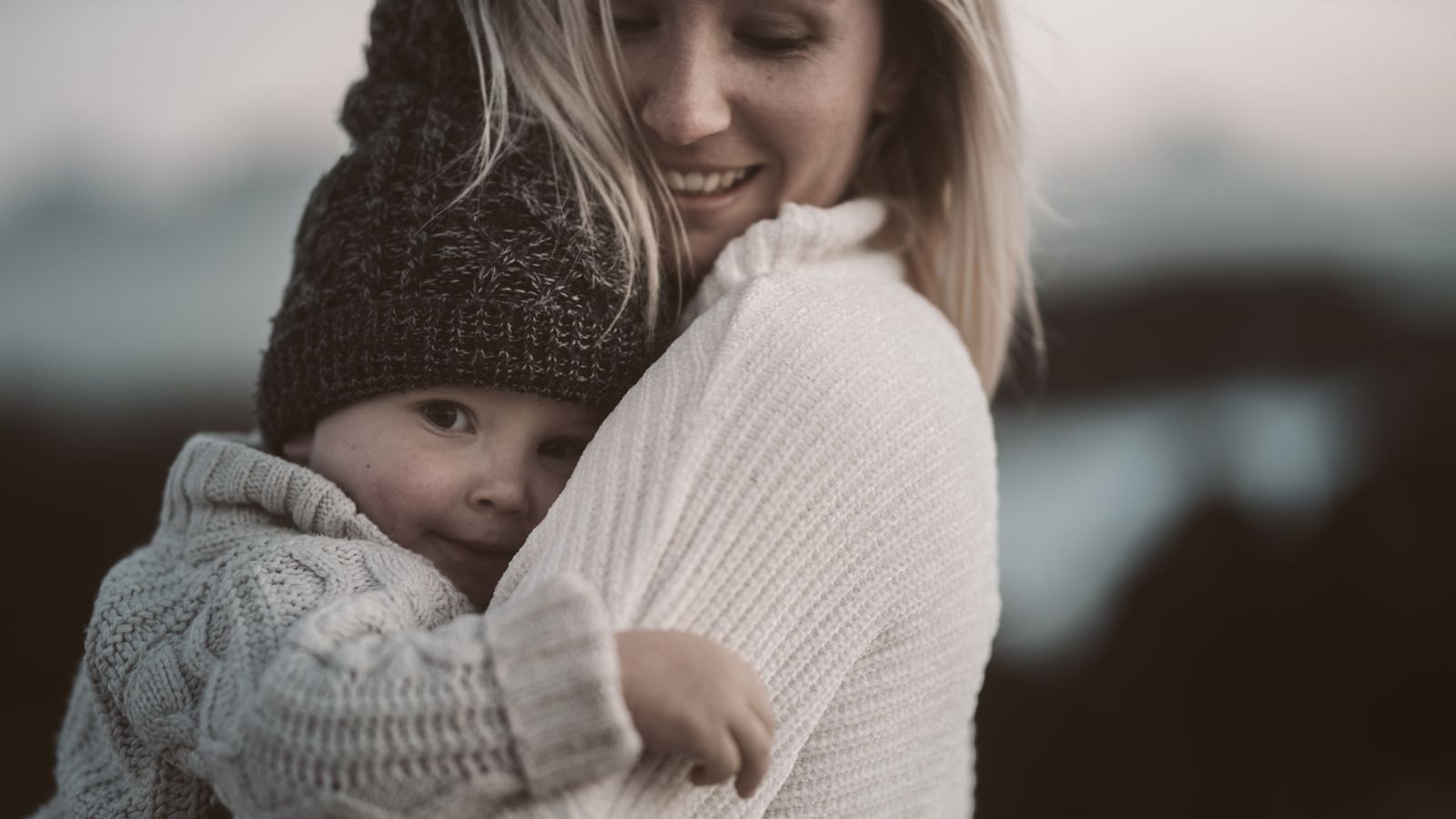
A goodbye ritual gives a departure a recognizable shape. It might be putting the bag away, a wave and a familiar sentence. It does not need to be elaborate, and it should be something all regular caregivers can use without turning it into a performance.
Choose the sequence with the receiving caregiver and, where appropriate, the child. Explain who is staying, who is leaving and what happens next. Use an understandable reference for your return when possible, such as after the afternoon activity, rather than an exact time the child cannot use.
Ensure the caregiver is ready and has accepted responsibility before you leave. A ritual does not replace the actual transfer of care. Share important information first so you are not trying to discuss instructions while the child is waiting through several repeated goodbyes.
Say that you are leaving rather than slipping away while the child is distracted. Keep the departure clear and avoid returning repeatedly solely to restart the goodbye. If something important needs attention, address it, but do not create a pattern in which each farewell becomes another uncertain beginning.
The child may cry or hesitate even with a familiar routine. Acknowledge the feeling and work with the caregiver on appropriate support. Do not promise that a particular phrase will prevent distress or treat an emotional goodbye as evidence that the child is doing something wrong.
Tell other caregivers which parts of the sequence the child recognizes, while allowing them to use their own natural voice. The exact words matter less than the clear, reliable arrangement. If a caregiver cannot provide the usual step, explain the difference simply rather than trying to reproduce it awkwardly.
Discuss persistent or intense difficulty away from the doorway. Ask what happens after departure and whether something in the setting or routine needs to change. Seek individualized advice when concerns warrant it instead of assuming the ritual itself must become more elaborate.
When you return, reconnect in an ordinary way. You do not need to reward the absence of tears or review whether the child was brave enough. The routine exists to support a transition, not to grade the child's feelings about it.