Parenting
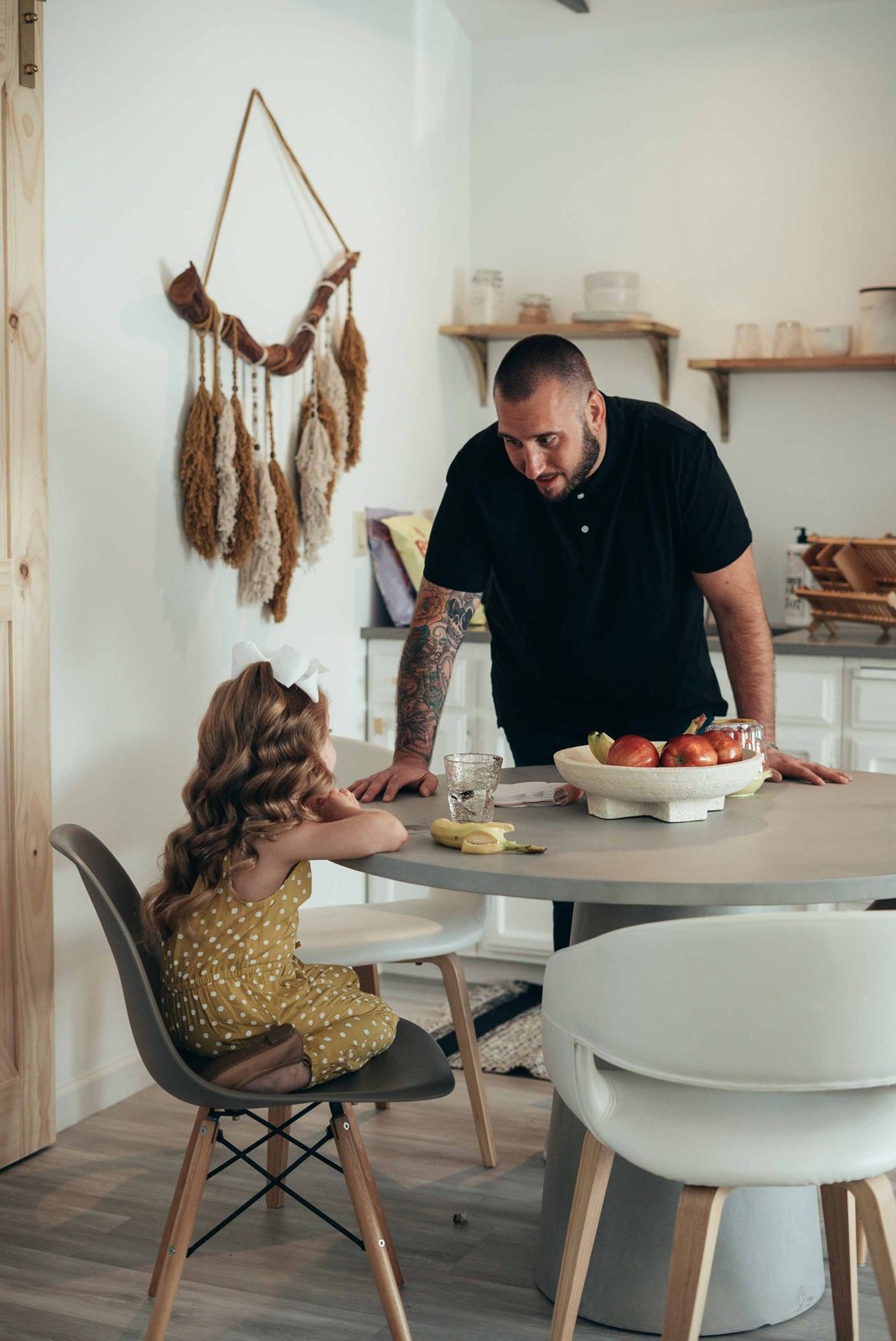
Letting a child help plan the weekend
Invite suggestions within the real limits of time, money and the needs of other family members.
A chapter to explore
Find an idea for this stage, this room or this weekend.
Parenting
Invite suggestions within the real limits of time, money and the needs of other family members.
Parenting
Deal with the immediate problem, then discuss one useful next step instead of retelling every past mistake.
Parenting
Focus on naming the harm and making a repair, rather than producing a particular word on command.
Parenting
Let children influence the parts they use, while adults keep responsibility for safety, budget and the shared space.
Parenting
Reduce uncertainty about the ordinary school day and leave the first week with room to recover.
Parenting
Choose one solvable issue, hear the people affected and finish with a small action to try.
Parenting
Explain the few differences that matter and stay responsible for helping your child follow them during the visit.
Parenting
Give a reliable sequence or clear cue when you cannot give an accurate time.
Parenting
Handle adult messages and decisions directly, so the child does not become the messenger, judge or source of comfort.
Parenting
Define the first action, keep the tools accessible and teach the task before expecting independence.
Parenting
Find out what the child wants to stop before deciding whether to continue, adapt or leave the activity.
Parenting
Plan where screens fit around sleep, school, movement and relationships, with expectations adults can follow too.
Parenting
Use real shopping choices to explain priorities without making the child responsible for the household’s finances.
Parenting
Agree on a short sequence and the transfer of care, while allowing the child to have feelings about leaving.
Parenting
Explain who will provide care and what will stay familiar, without promising calls the work schedule may not allow.